
Protecting the
environment
Looking after the environment is at the heart of what we do and how we’re going about it.
Climate change is one of the greatest threats to our oceans and coastlines – from warmer waters to rising sea levels and more extreme weather. Our projects will cut emissions and build a cleaner energy system to help protect the natural environments we care about, on land and at sea.
Responsible
development
We are committed to ocean stewardship – caring for the environment and taking responsibility across the full life of our projects.
For us, this means going beyond minimum requirements and making thoughtful long-term decisions that protect the environment for future generations. In practice, this includes:
- Siting and designing projects to avoid sensitive areas
- Using the best available science to guide decisions
- Working closely with First Peoples, regulators, scientists, environmental specialists and local communities
- Using proven technologies and practices
- Supporting the development of new innovations
- Being open and transparent about monitoring and performance
- Adapting our approach as new research and technology becomes available.
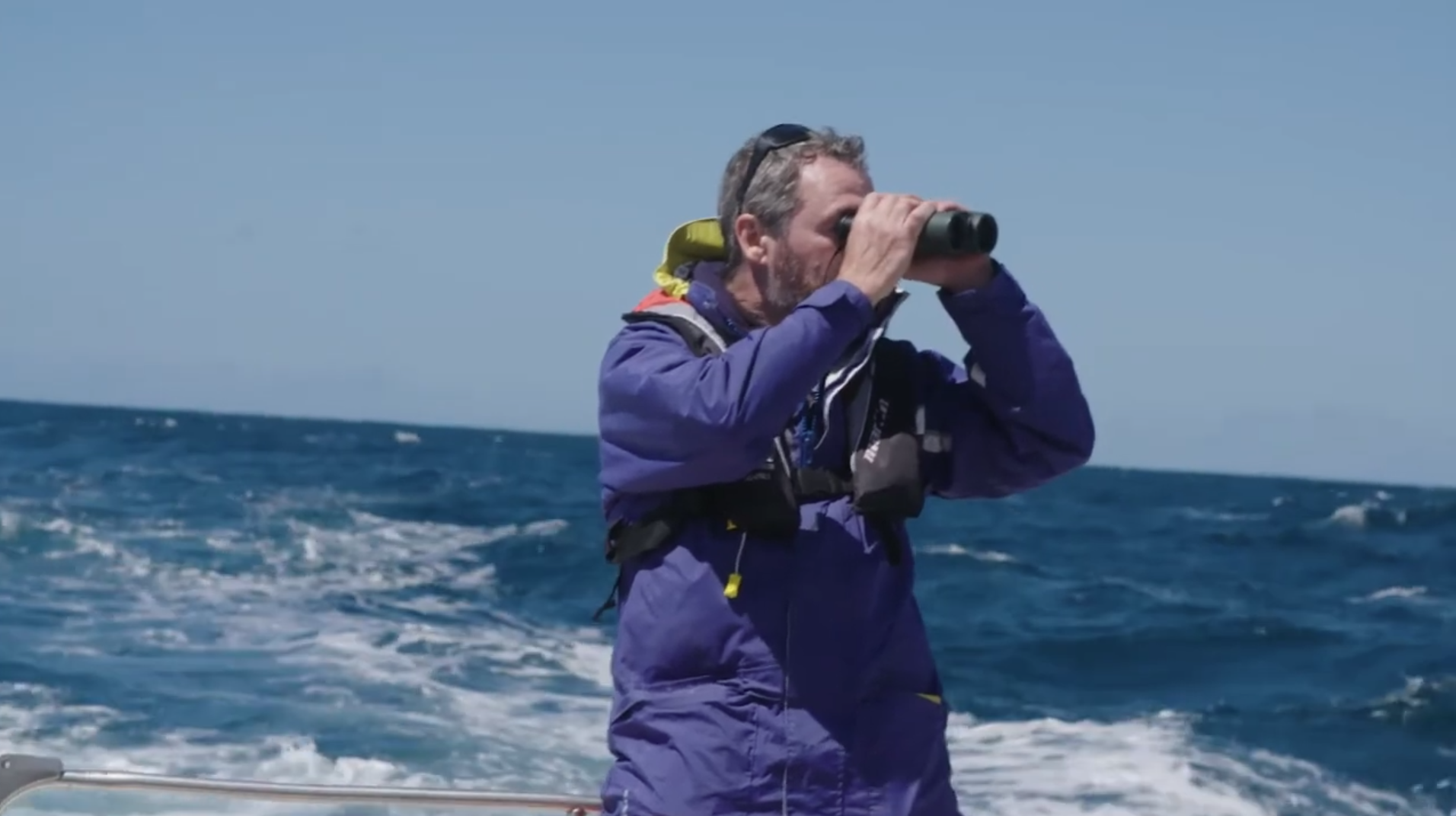
Understanding and responding to the local environment
Planning a project in the ocean environment requires careful study and assessment.
This is built into each stage of project development.
Case study: Marine Survey Program
Star of the South has completed one of the biggest research programs of its kind in Bass Strait.
Designed and delivered by leading Australian researchers and international experts, this program has built a comprehensive understanding of the marine environment and biodiversity in this little studied area.
- 5 key study topics – benthic ecology, marine mammals, birds, fish and coastal processes
- 13,000+ survey hours over 3 years
- 50,000+ observations collected
- Contributors included CSIRO, Monash, Deakin and Curtin universities, and the Blue Whale Study.
Case study: Design guided by science
Turbines for Star of the South were redesigned specifically to reduce potential risks to seabirds.
In response to environmental study and modelling findings, we increased the ‘air gap’ (the space between the water and the turbine blade) to cut the risk of birds colliding with turbines by up to 70% more for key species, including Albatross.
Managing impacts
With over 13,000 turbines already installed in the ocean globally, there are proven tools to deliver projects with minimal environmental impact.
Like any major infrastructure, offshore wind projects can have impacts. These are avoided or significantly reduced through careful planning and design.
We take a conservative approach – planning for worst-case scenarios, building in safety margins and putting clear management plans in place. If studies show an impact can’t be managed acceptably, plans are changed.
Projects are only approved and able to proceed to construction if they meet strict environmental and safety criteria.
