Sharing the waters
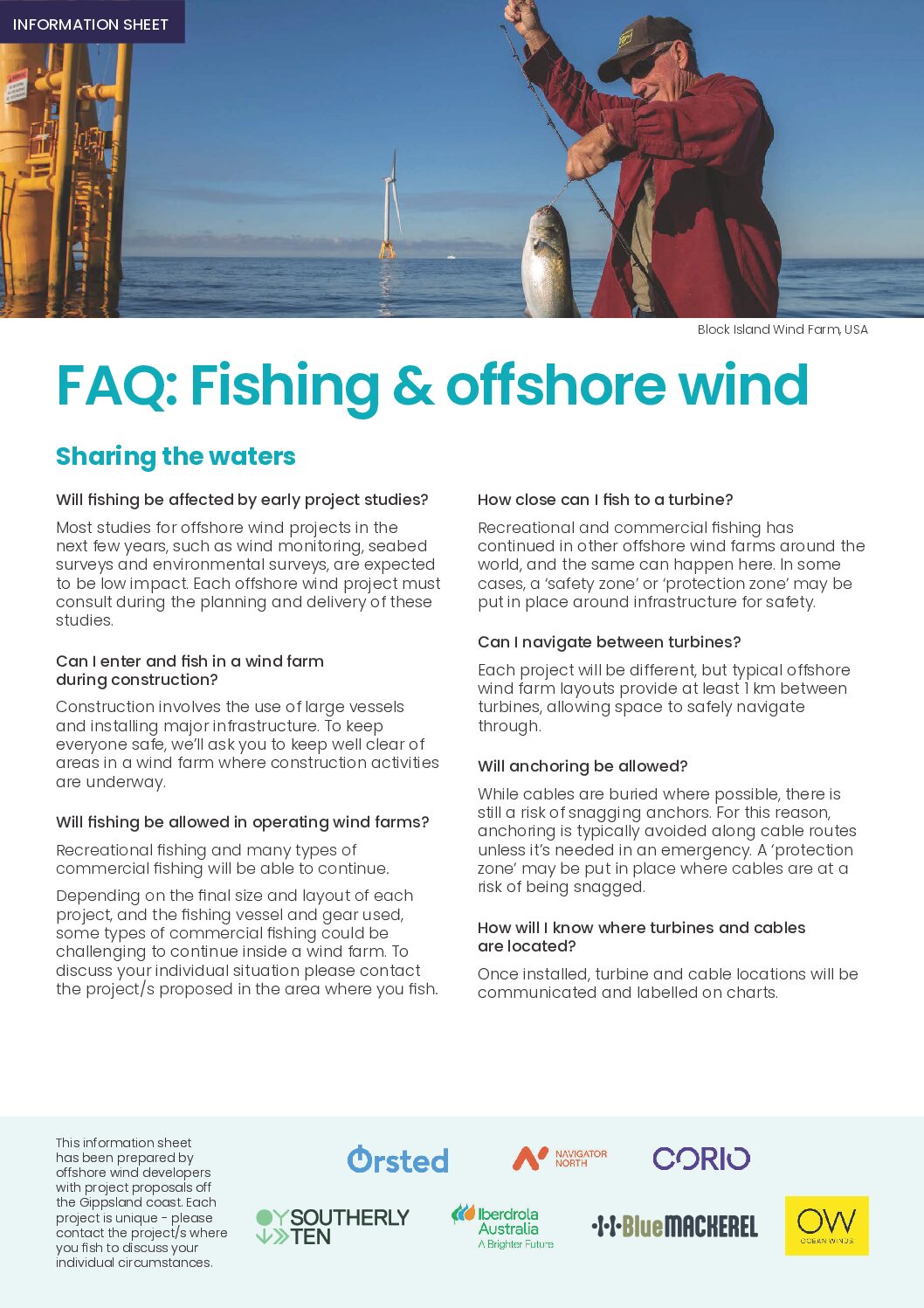
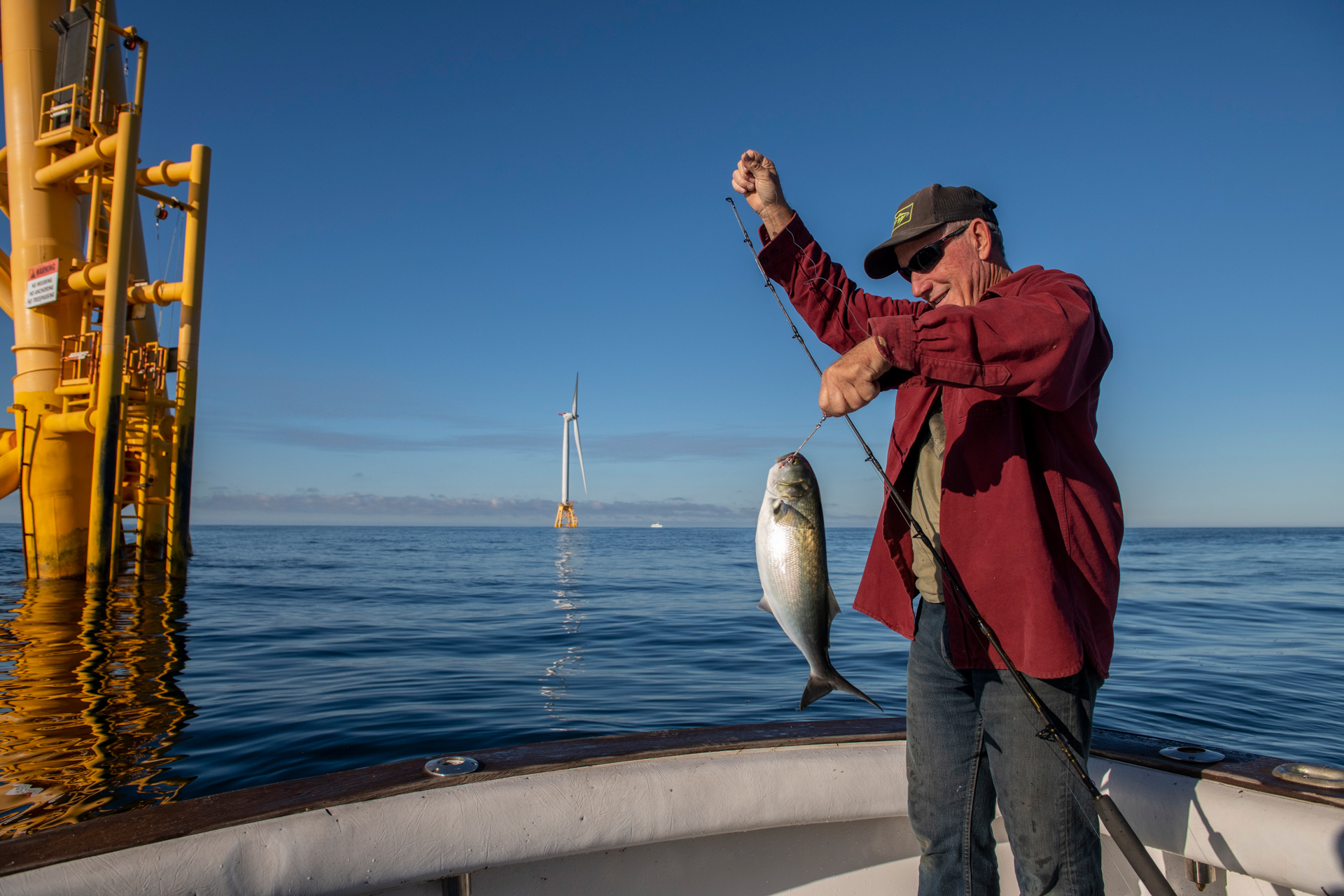
All recreational fishing and many commercial fishing methods can continue in an offshore wind farm.
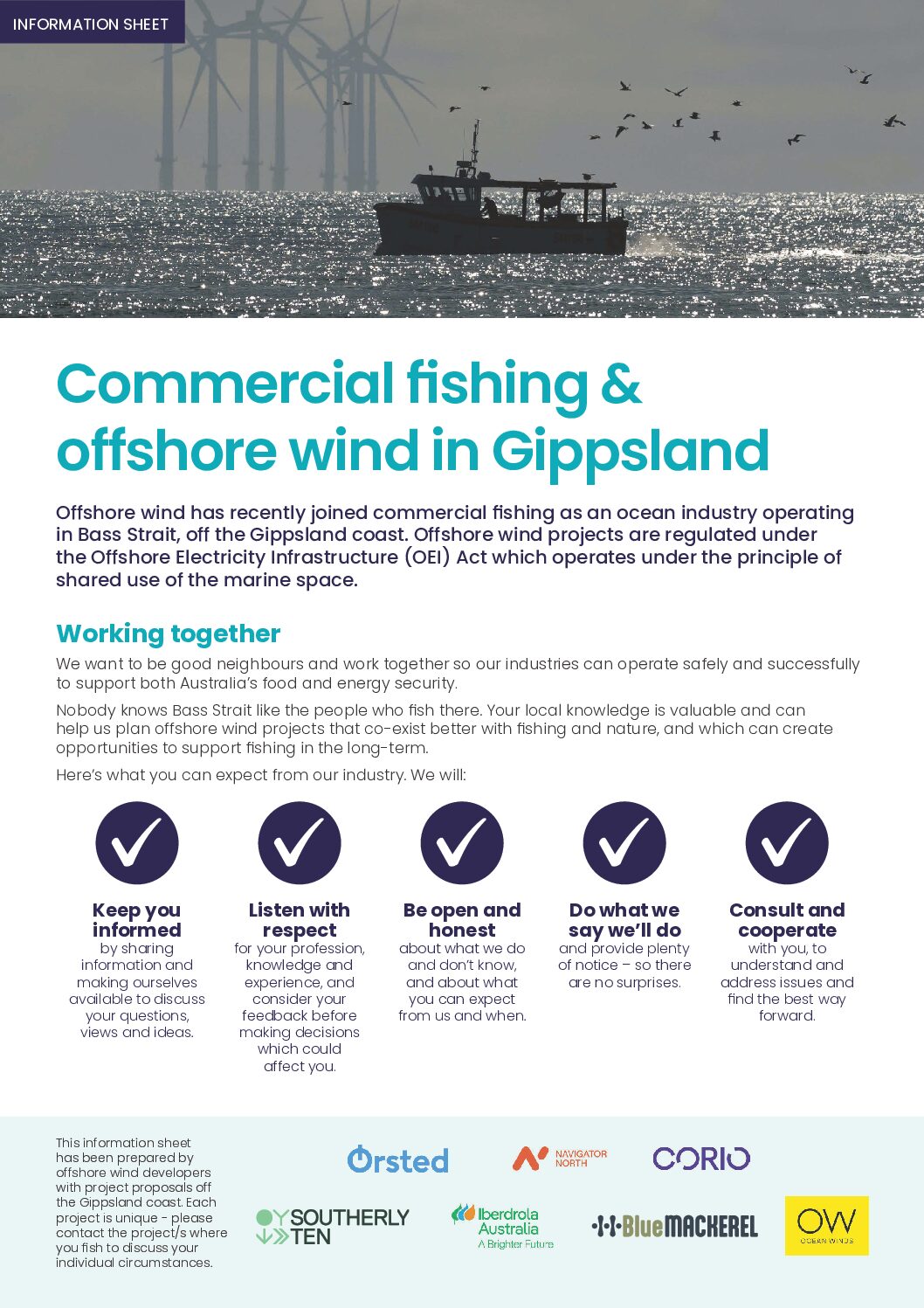
There are no offshore wind farms in Australia yet – but international experience shows fishing and offshore wind can and do coexist in many places. We’re working with fishers, regulators and other offshore wind project developers on how this will work in practice in Bass Strait.
Frequently asked
questions
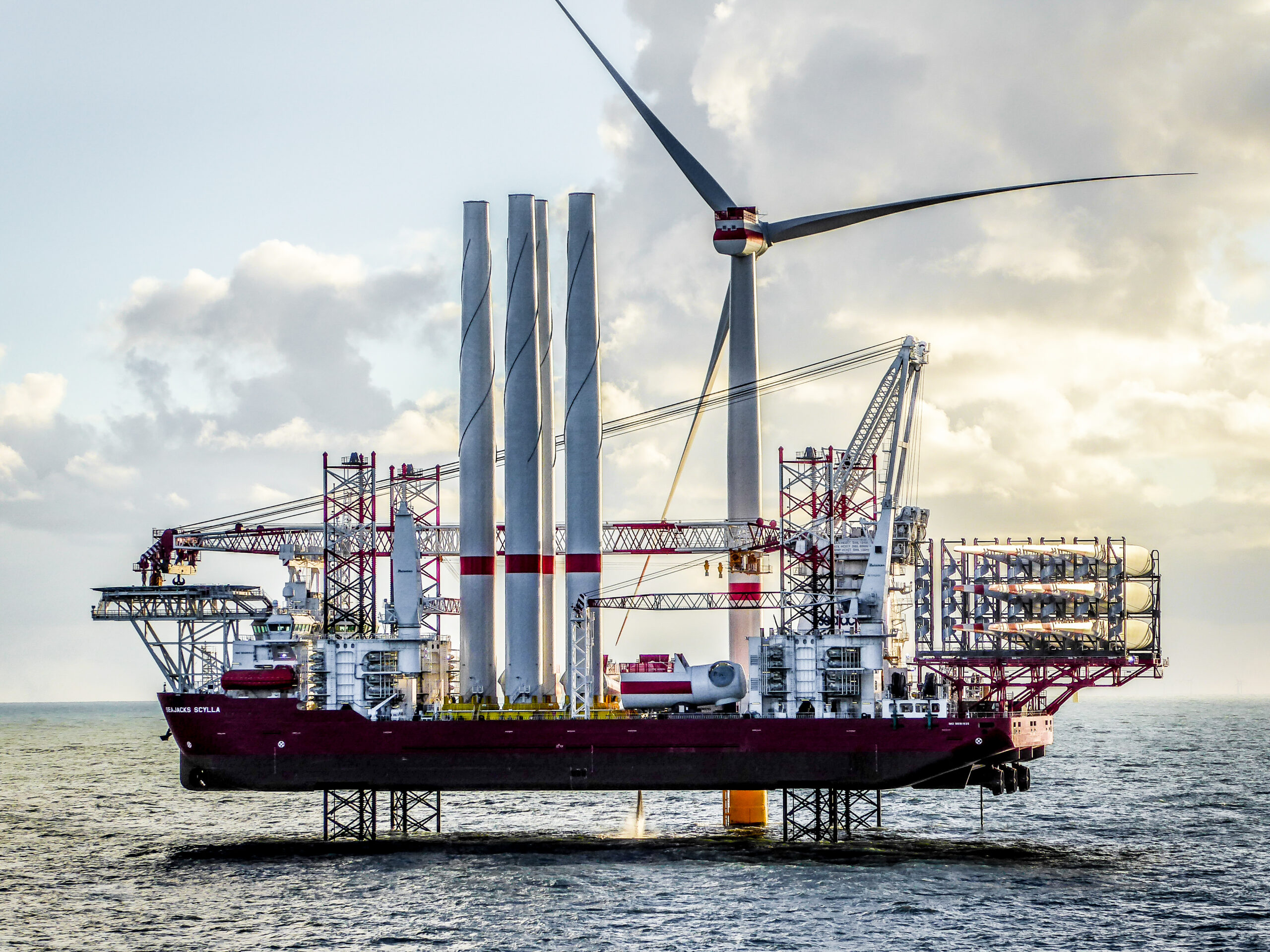
Yes, although we’ll ask you to keep clear of specific areas where construction is underway. With large vessels installing major infrastructure, this is important to help keep everyone safe.
Turbines are installed progressively. Once construction is completed and an area is made safe, we’ll open it back up for others to use.
Yes, recreational fishing, boating and diving will be able to continue.
Some types of commercial fishing are likely to be challenging to continue in an offshore wind farm. It’ll depend on the final size and layout of each project, and the fishing vessel and gear used. To discuss your individual situation please contact us.
Once turbines are installed and operating, our wind farms will be open to fishing, boating and diving. You’ll need to follow existing navigation and safety rules and use common sense, keeping a safe distance from infrastructure based on the conditions. We’ll ask that you don’t hook up to wind farm infrastructure for your own safety.
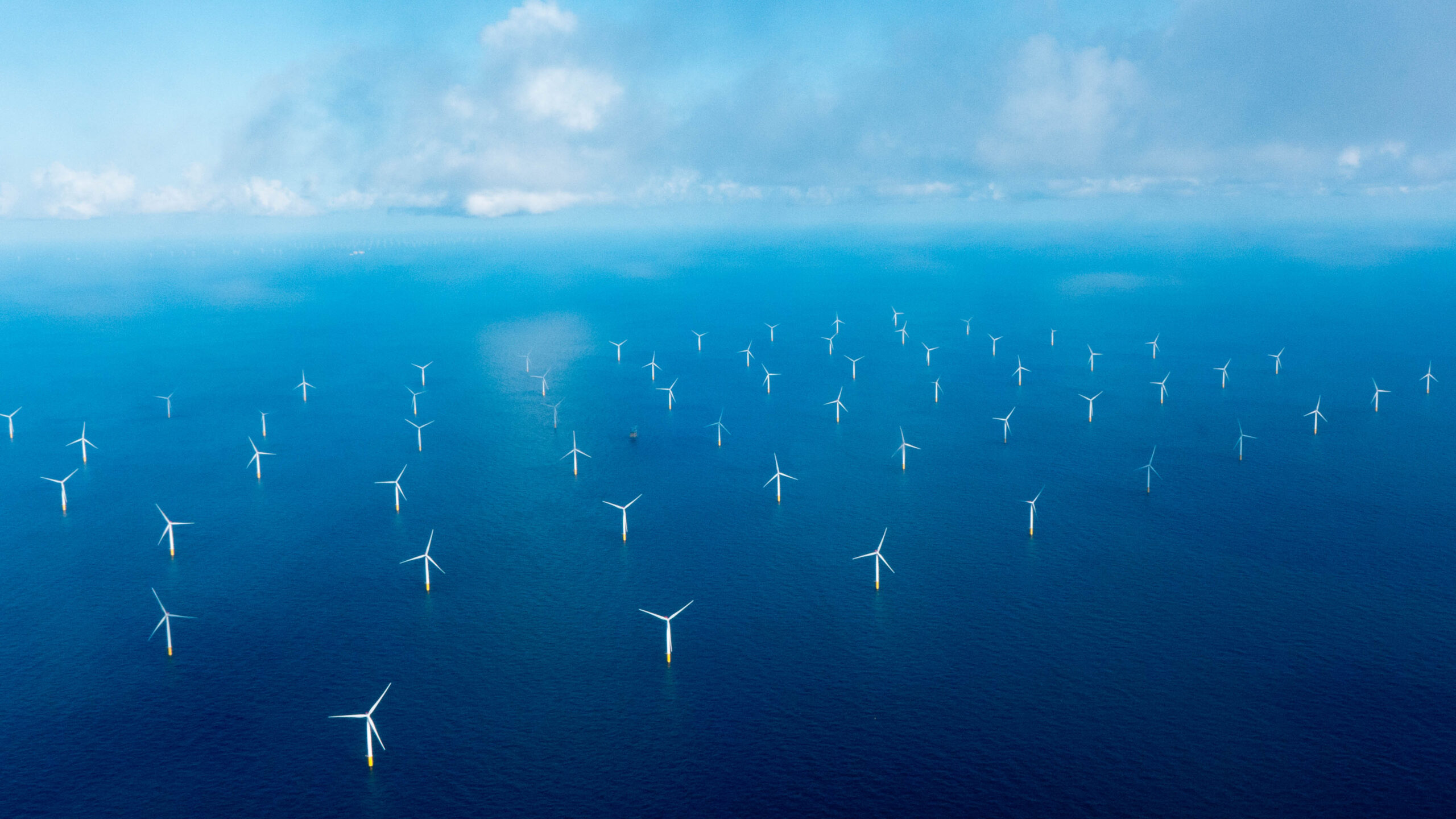
Yes, for Star of the South there is a minimum 1 km space between turbines. This provides plenty of room to safely navigate through.
Cables are buried where possible, however there’s still a risk of snagging larger/heavier anchors. For this reason, anchoring is typically avoided along cable routes unless it’s needed in an emergency. Cable routes will be charted and advice communicated to fishers.
Once installed, turbine and cable locations will be widely communicated and labelled on charts.
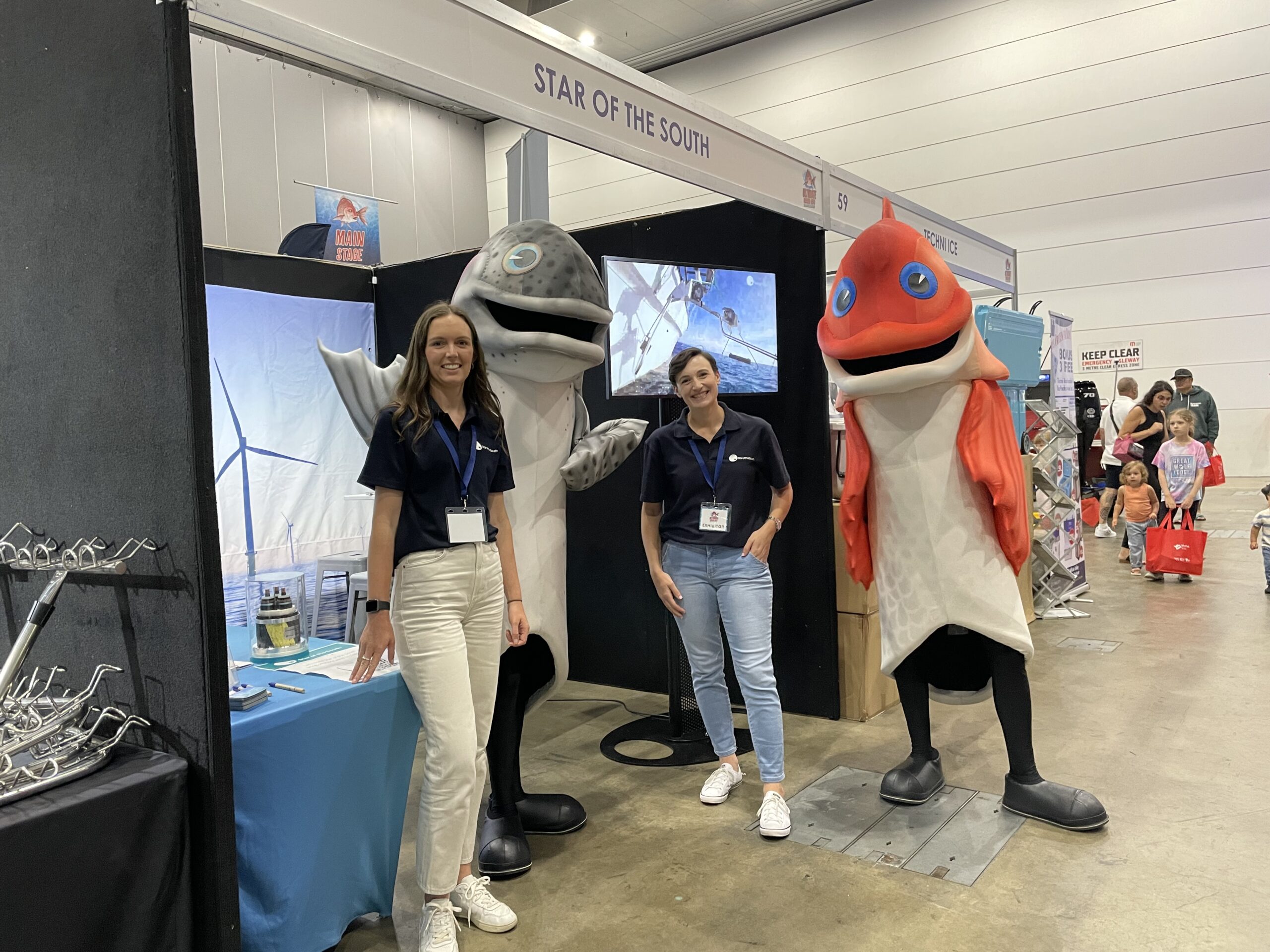
We’ll share information and updates through formal channels as well as at boat ramps, local fishing clubs and online so information is easy to find and understand.
The Offshore Infrastructure Regulator is responsible for regulating offshore wind projects under the Offshore Electricity Infrastructure Act 2021.
The purpose of safety and protection zones is to protect workers, marine users, and infrastructure from harm. These zones are only approved by the Offshore Infrastructure Regulator following formal consultation and where there is a strong rationale for their use. Priority must first be given to sharing the waters.
Safety zones restrict access up to 500 metres around key infrastructure. They will typically be used during construction when infrastructure is in the process of being installed and commissioned. Once projects are operating, safety zones will only be approved if there is a strong justification for them.
Protection zones don’t restrict access but may place limits on certain activities such as anchoring, mining or trawling if these present a risk to safety or infrastructure.
To establish one of these zones, an offshore wind project would first need to consult with other marine users and make a formal application to the Offshore Infrastructure Regulator which includes the rationale, maps and other information. The public can make submissions which are considered by the Regulator when deciding whether to grant, change or refuse a protection zone application.
We’ll consult with fishers before making any decisions or applications for safety or protection zones in the future.
We may consider applying for temporary safety zones during construction, major maintenance, or decommissioning activities to keep everyone safe around active construction areas.
The need for protection zone/s will depend on the final design and other details, such as final cable burial depth. These details may not be confirmed until during or after construction. We may consider applying for a protection zone during operations if there are specific locations where installed infrastructure poses a safety risk.
Around the world, offshore wind foundations have been shown to act like artificial reefs, providing new habitat for fish and other marine species. In some areas, this has led to increased biodiversity and stronger local fish populations. This has also been observed on oil and gas platforms and jetties in Australia.
Each project will undergo a detailed environmental impact assessment and will need to meet strict environmental criteria to obtain approvals. Consultation is an important part of this process. Projects with unacceptable impacts will not be approved or able to proceed.
We are putting measures in place to avoid harm to fish and their habitat – for example, by designing the Star of the South project to avoid high profile reefs where fish live and feed. Impacts during construction are expected to be temporary and localised, with quick recovery in the short-term and potential benefits from the ‘artificial reef effect’ during long-term operations.
Star of the South is the most advanced offshore wind project in Australia. The earliest it could start construction is towards the end of this decade. First, we need to obtain all required regulatory and commercial approvals – that’s what we’re working on now.
Depending on the size of the wind farm and requirements for construction, it typically takes 3-5 years to complete offshore construction.
Our projects have different timelines. Star of the South is well advanced and we’re aiming to have it up and running around 2032. Kut-Wut Brataualung is at the earliest stage of development and would follow Star of the South later in the 2030s or beyond.
Commercial fishing
Fishing and offshore wind operating safely and successfully together in Bass Strait – that’s our goal.
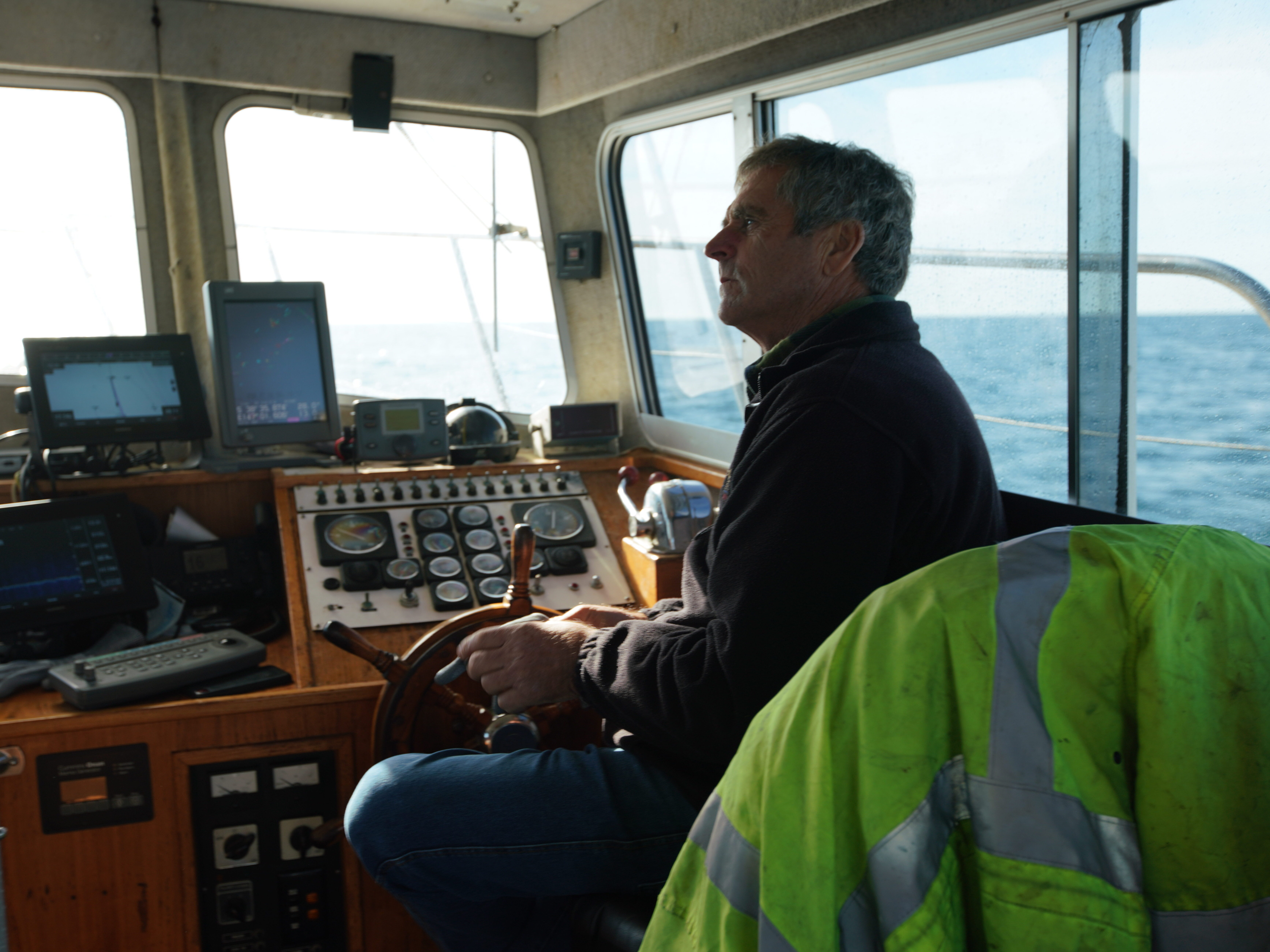
We recognise and respect existing commercial fishing rights. Offshore wind in Australia is regulated under the Offshore Electricity Infrastructure Act, which is based on the principle that marine space is shared and managed so different users can operate safely.
We want fishing and offshore wind coexist wherever this is safe and practical. Some fishers have told us that this won’t work for every fishery, gear type or situation. So while coexistence is always prioritised, we’ll also have practical back-up options in place for instances where it can’t be achieved, so that fishers aren’t disadvantaged.
Our approach is:
- Share the waters – Our starting position and priority is to safely coexist.
- Work through issues together – If certain fishing gear or methods can’t operate safely or practically in parts of our wind farms, we’ll work with affected fishers to understand the issue and explore practical options to address it.
- Compensation – If coexistence or workable alternatives aren’t possible, we’ll provide fair compensation to concession holders with a genuine claim.
We’ve contacted all commercial fishers we’re aware operate in the Star of the South project area and will stay in touch as the project progresses. If we’ve missed you, please get in contact directly or through your industry representative – we’re keen to hear from you.
Consultation
Nobody knows Bass Strait like local fishers. Your knowledge is valuable and can help us plan projects with fishing in mind.
We’ve been listening and learning since 2017, using local knowledge and feedback to shape how our projects are planned and designed – and we’ll continue to do so.
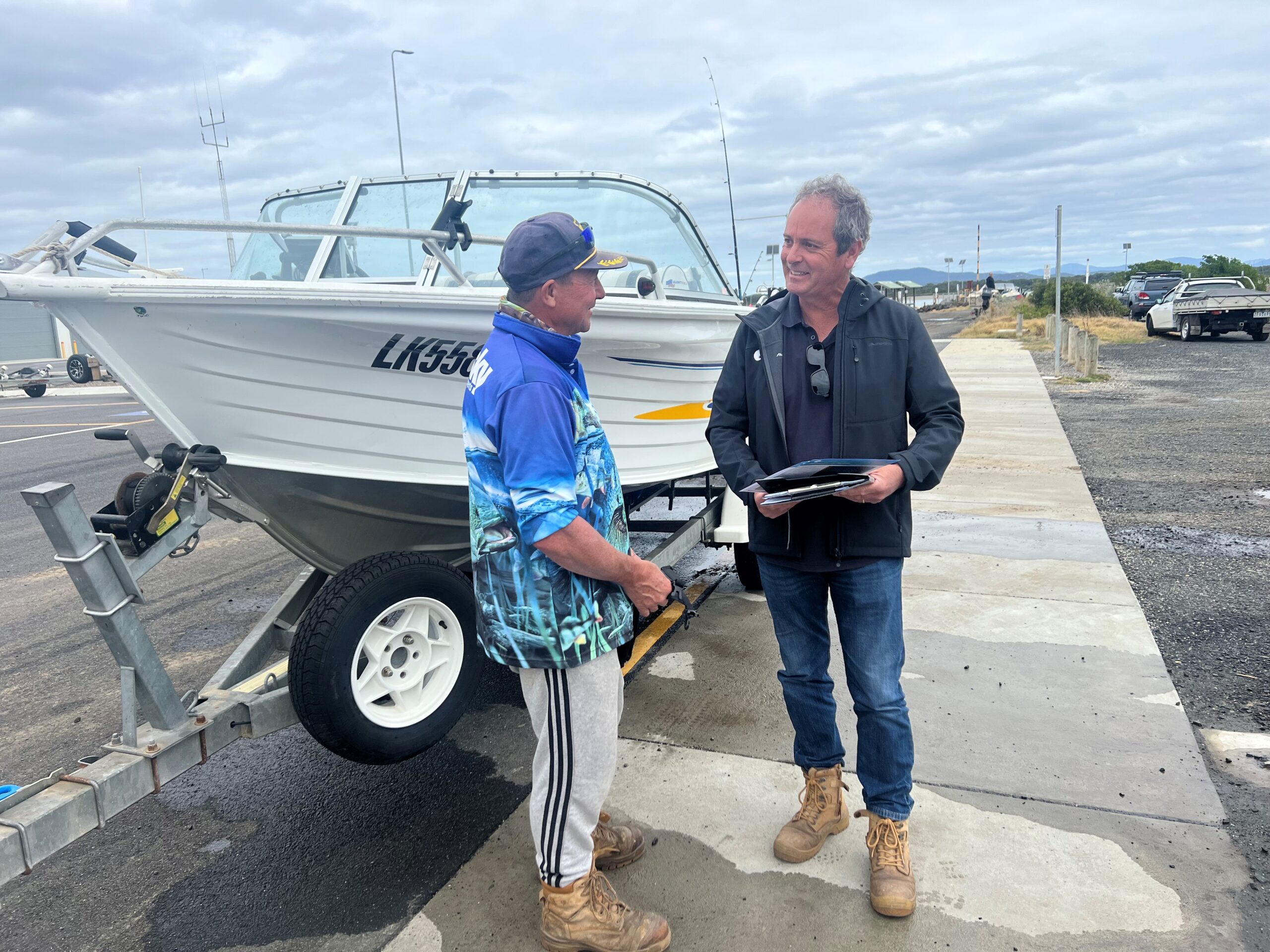
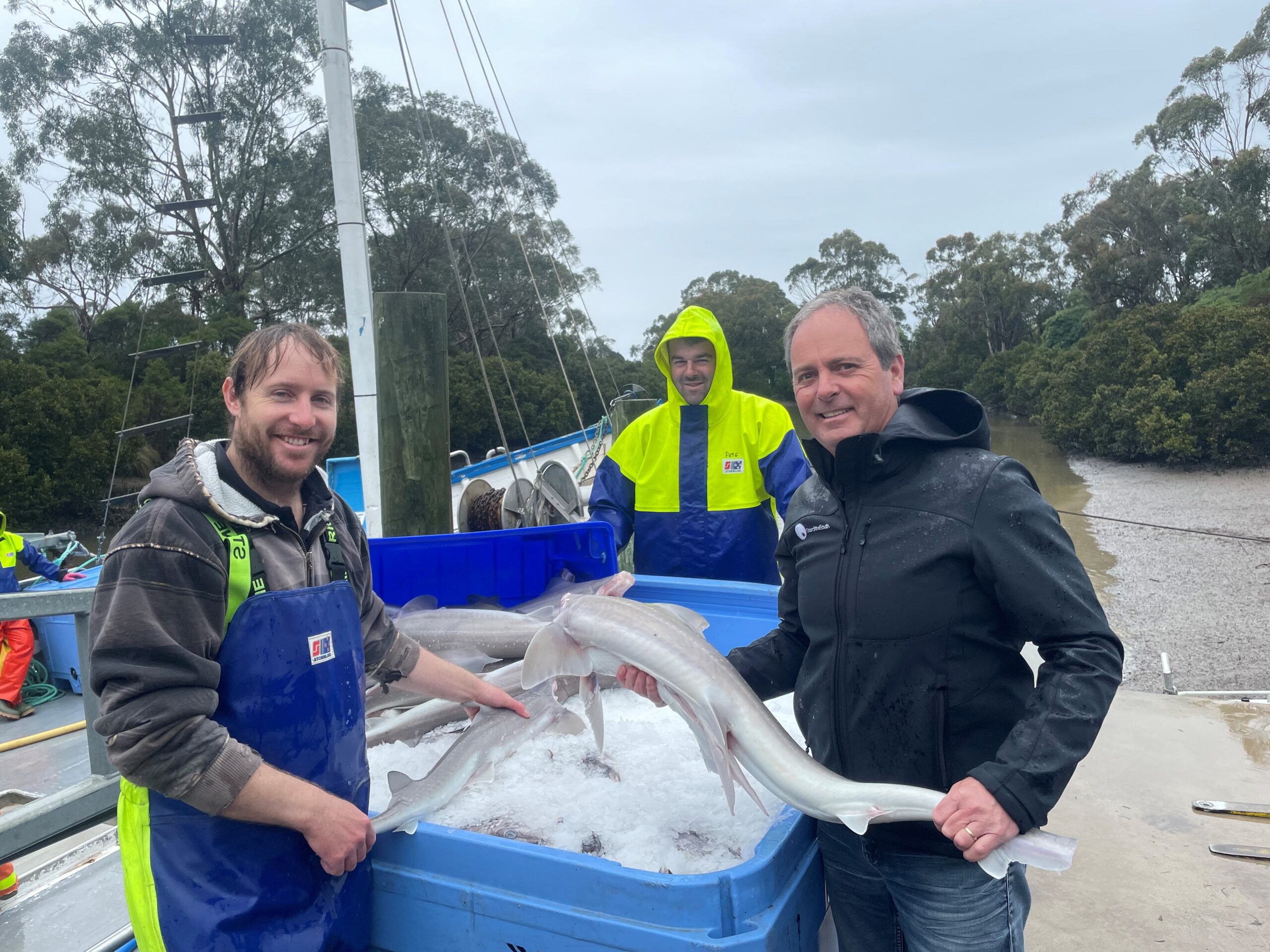
In 2021 we hired Australia’s first offshore wind Fisheries Liaison Officer to work directly with commercial and recreational fishers, industry groups, local fishing clubs, Gippsland fishing and boating businesses, and fisheries regulators and research agencies.
How we use feedback
So far, feedback from fishers has been used to:
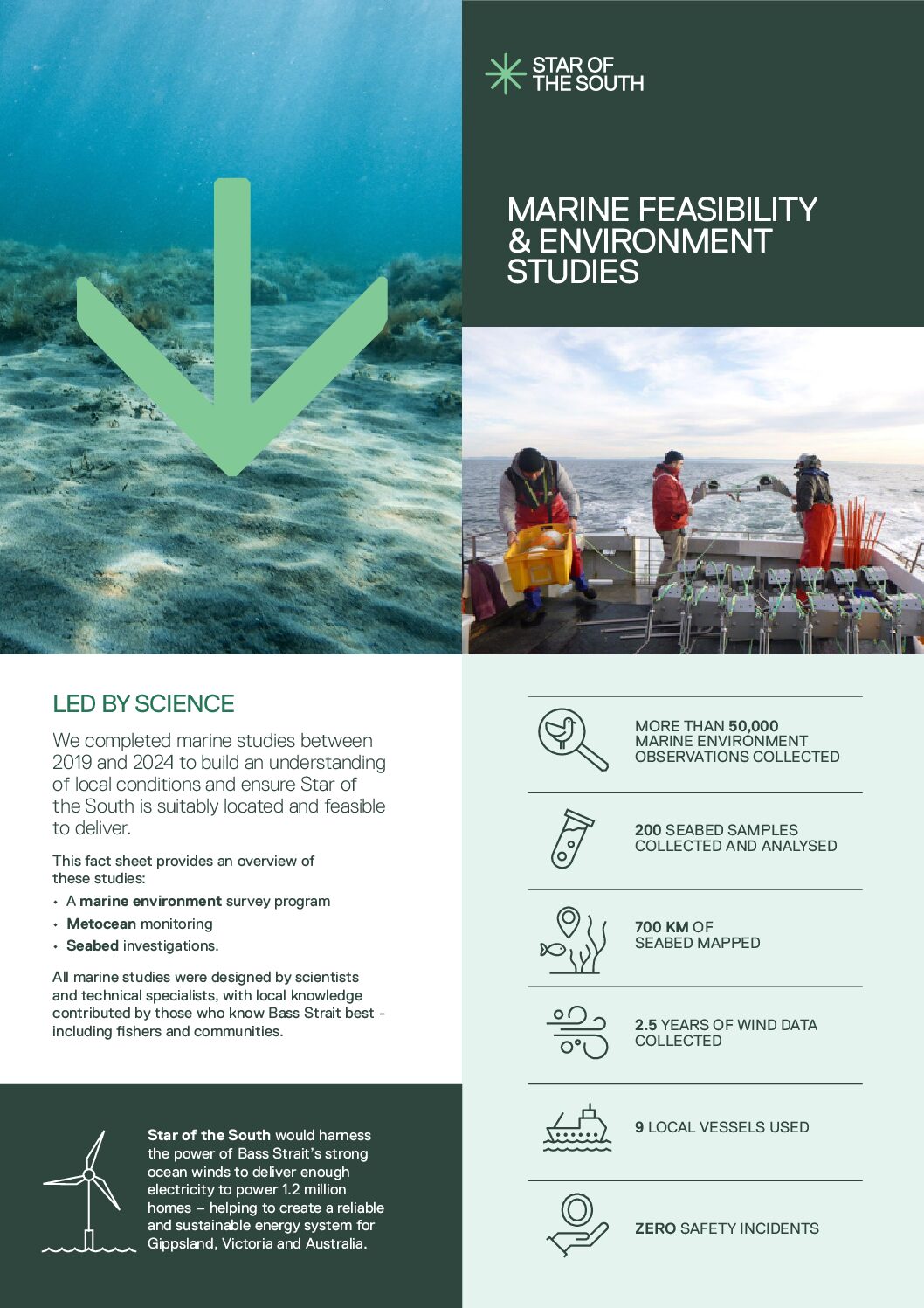
- Design, plan and undertake feasibility studies over five years, with no incidents or complaints
- Understand fishing practices, concerns and ideas
- Inform environmental assessments
- Shape project design and construction planning
- Start planning for safe coexistence
- Identify ideas for future monitoring, research and improvements to local fishing
- Shape the way we consult and share information.
Thank you to everyone who has shared their time and expertise.
Getting involved
Our door is always open. Please get in contact anytime with questions, feedback or ideas.
Fishing resources