
Construction & operation
Star of the South is currently in the feasibility and development phase. A range of approvals are needed to move ahead to construction.
Find out what’s involved in future phases:
- Construction
- Operations
- Decommissioning.
Construction
Construction takes place in stages – starting with the onshore transmission system and shore crossing, then moving offshore for installation of the wind farm infrastructure.
Construction of the offshore wind farm and the subsea cables that connect it to land involves:
- Site preparation – This includes detailed surveys and clearing the seabed of obstacles or hazards.
- Export cable installation – Cable laying vessels are used to install cables in the seabed between the shore crossing and the wind farm.
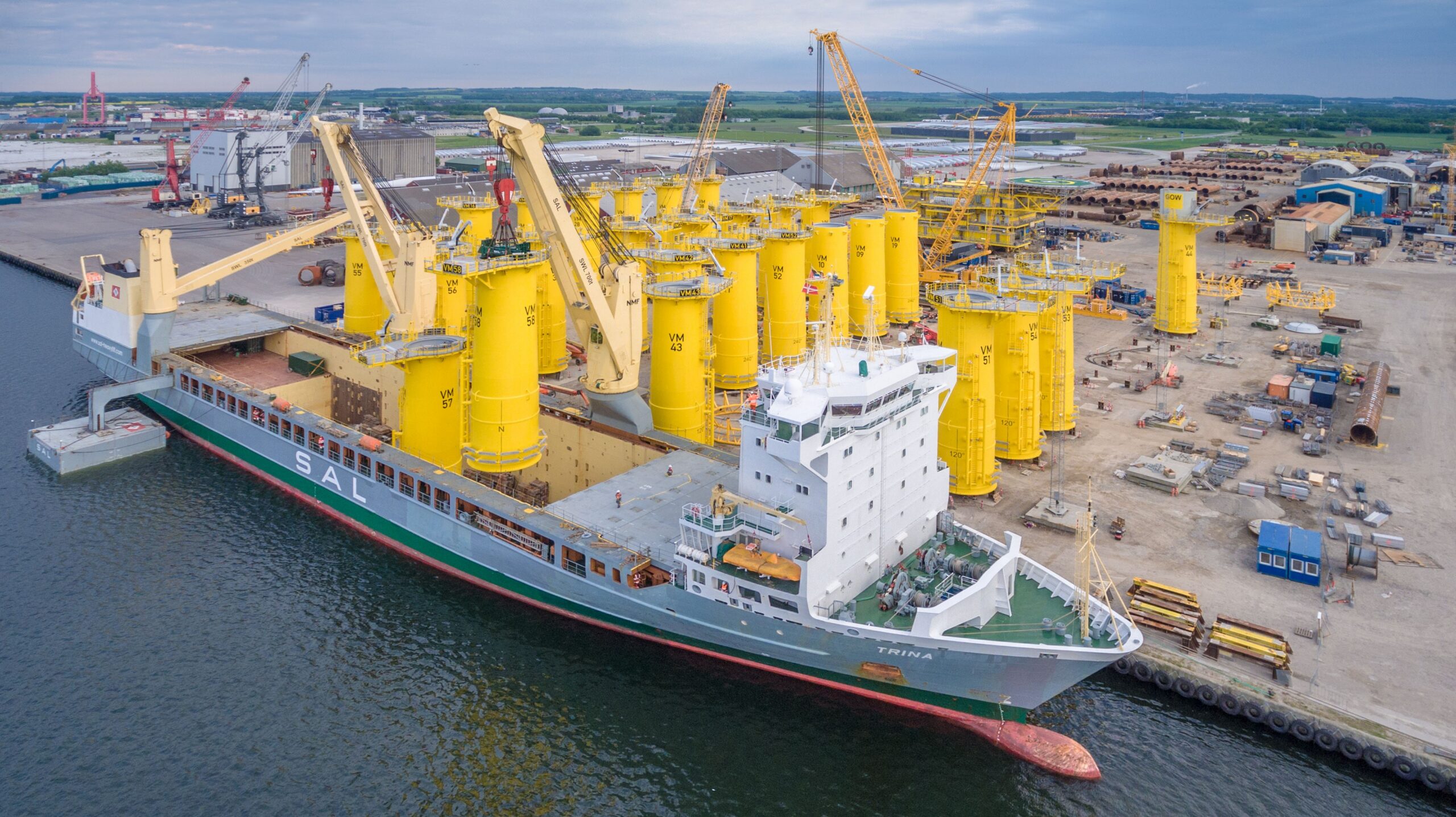
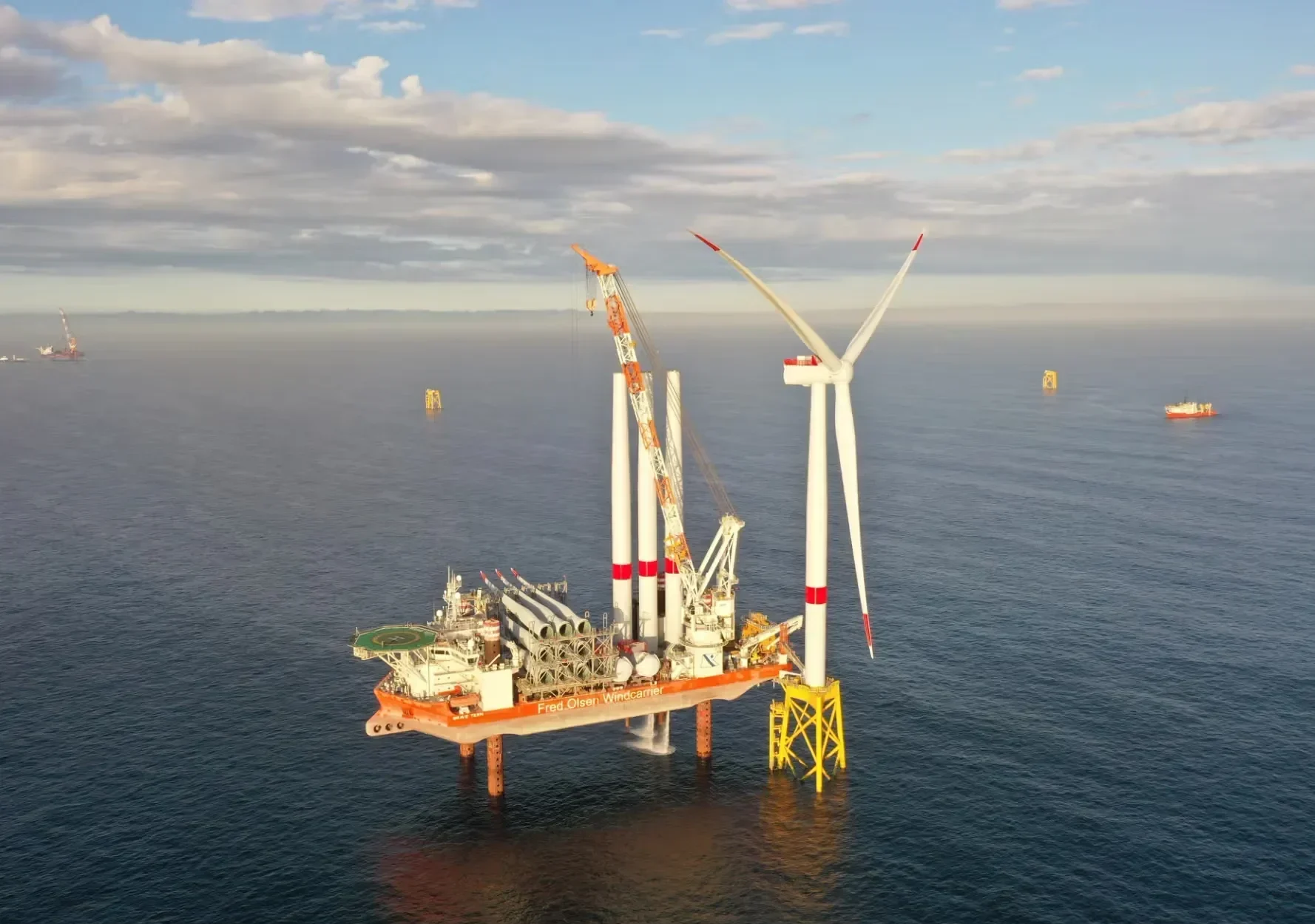
- Foundation installation – Foundations for the turbines and substations are piled or drilled into the seabed using equipment on large vessels.
- Substation installation – The substation topsides are pre-assembled at a port, transported to site and installed using a large installation vessel.
- Wind farm cable installation – Cable laying vessels travel from one turbine position to the next laying cable to connect each turbine to a substation.
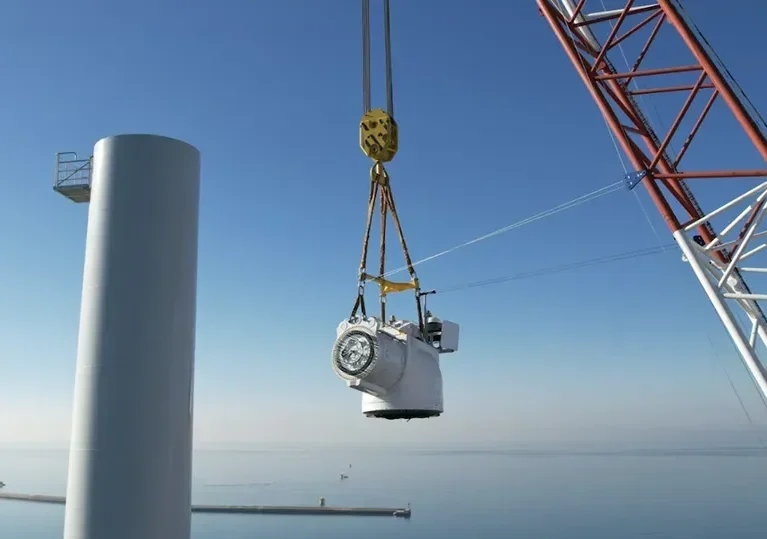
- Turbine installation – Turbine components are pre-assembled at port, transported to site and installed on the foundations using an installation vessel.
If Star of the South is built to its full capacity, offshore construction could take around 4-5 years.
The shore crossing is where export cables cross under the beach and dunes and connect with the onshore cables.
We’ll use a no-trench construction method to install the shore crossings underground, protecting the sensitive coastal environment above.
This involves drilling bores and installing ducts underground through which the cables are then pulled and housed.
If Star of the South is built to its full capacity, shore crossing construction could take around 2 years.
Construction of the onshore transmission system involves:
- Site establishment – This includes setting up work sites, temporary facilities and installing environmental controls to prepare for construction.
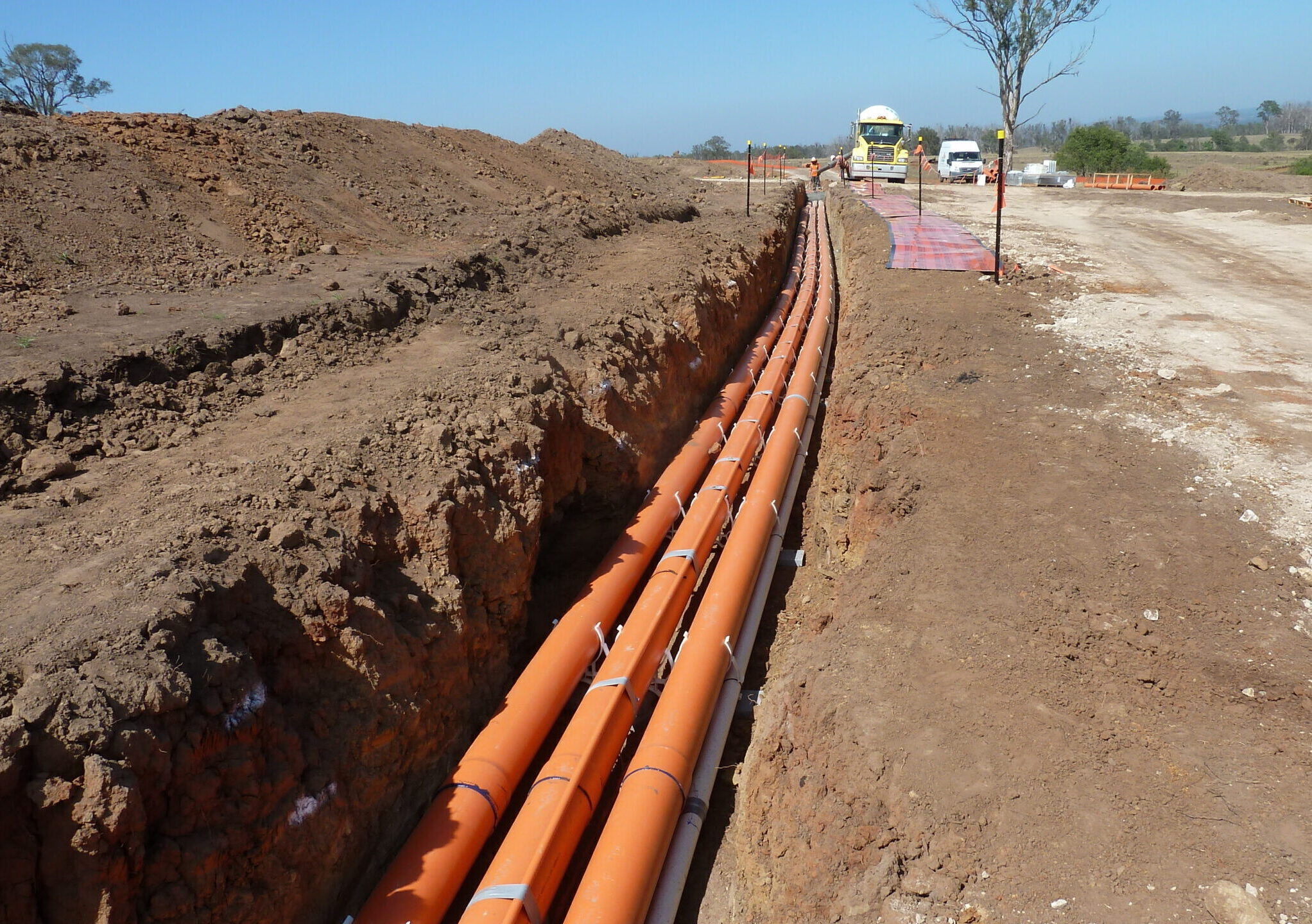
- Cable system construction – Sections of cable are installed in trenches, jointed and the trenches backfilled. In select sensitive locations, trenchless methods may be used.
- Demobilisation and rehabilitation – All construction areas will be rehabilitated as soon as possible after works are finished, leaving no permanent visible above ground infrastructure except ground-level pit lids and signage.
If Star of the South is built to its full capacity, this could take around 2 years.


Operation and
maintenance
Star of the South will operate for 30+ years.
- Equipment will be monitored and operated remotely from local facilities
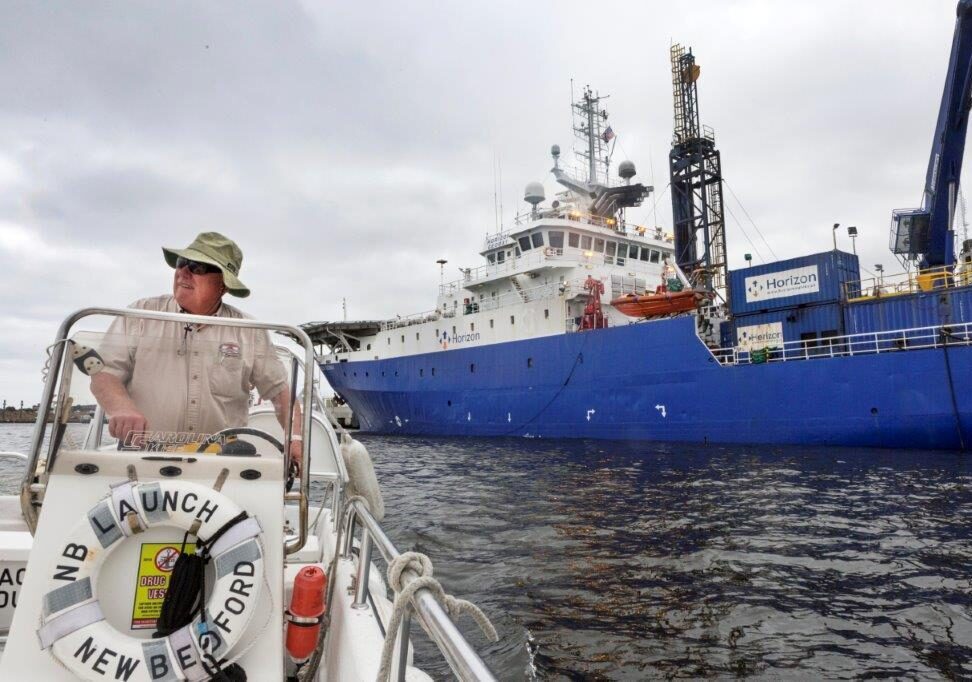
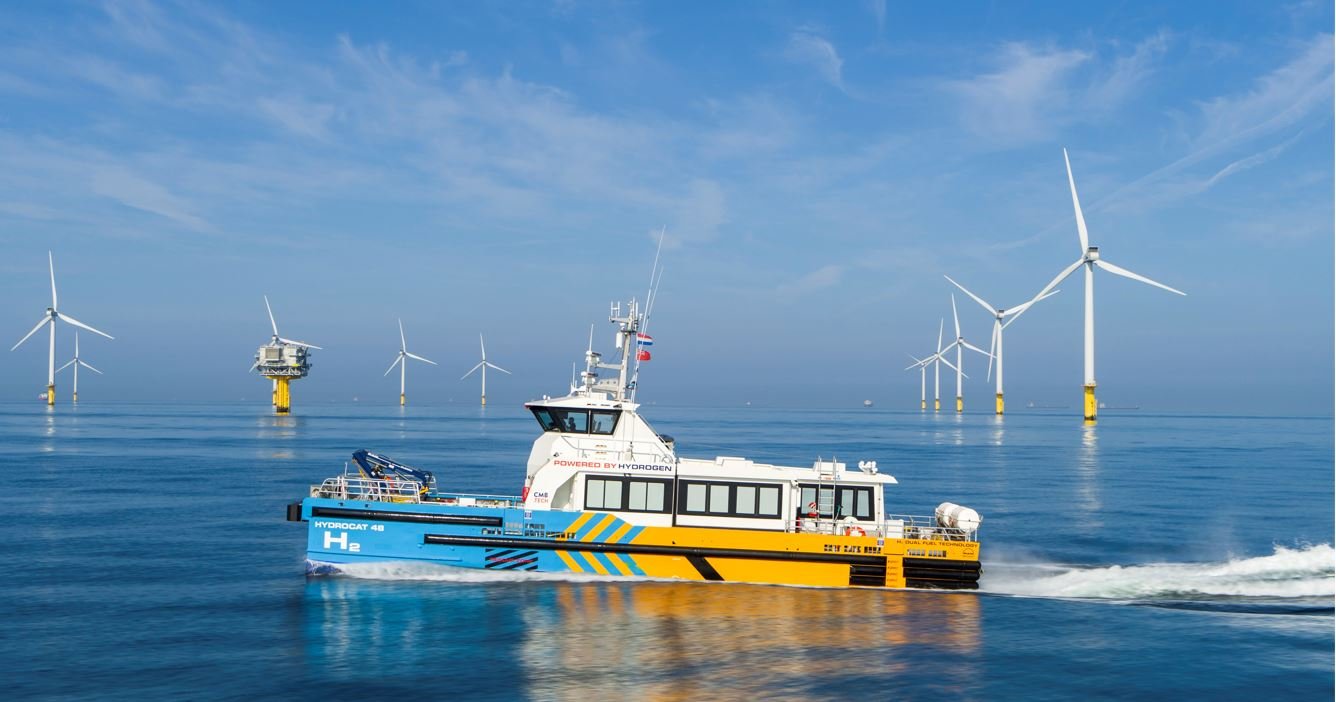
- Maintenance crews will travel from a Gippsland port to site on a regular basis to conduct inspections and carry out repairs as needed
- Boats, drones and remotely operated underwater vehicles may be used for routine inspections
- Large vessels may be needed from time to time for any major repairs or component replacements
- The transmission system will be inspected once or twice a year and maintained as needed.
Decommissioning
At the end of the project’s life, it will be decommissioned.
There are stringent regulations in place to ensure infrastructure is removed at the end of its life, at the project’s cost.
An approved decommissioning plan for managing the wind farm’s end-of-life is required before construction can begin. This plan will describe the proposed activities, methods, potential impacts and management measures. It will be updated closer to the time of decommissioning – which will be in the 2060’s at the earliest – to ensure all approval, regulatory and other requirements current at the time are met.
Ports
Ports play an important role in both the construction, operation and decommissioning phases – it’s where a lot of the action happens.
Construction ports
During project construction, large turbine and foundation parts are delivered to and assembled at deep-water commercial ports. For Star of the South, we expect to need multiple construction ports. The Port of Hastings, Geelong Port and Port of Bell Bay may be good options.
Gippsland operations base
Day-to-day construction management, operations and maintenance activities would be managed from an operations base in Gippsland. Port Anthony and Barry Beach Marine Terminal are good options as they are nearby, have available land and experience serving the offshore oil and gas industry.
This facility would operate for more than 30 years, throughout construction, operation and decommissioning.