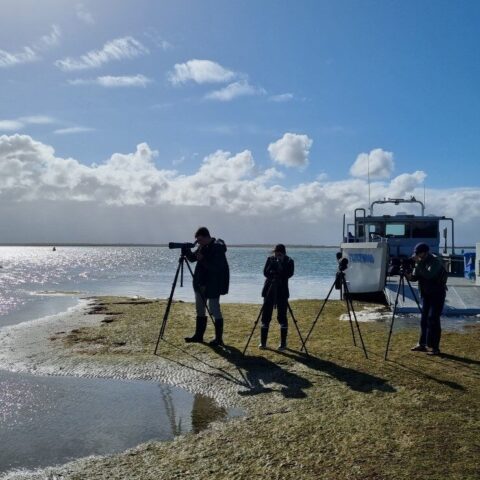

Environmental assessment
Star of the South’s environmental assessments will be available for public review and comment between 18 May and 29 June 2026.
We’ve prepared a draft Commonwealth Environmental Impact Statement (EIS) for the Star of the South project, and a Victorian Environment Effects Statement (EES) for the project’s works in Victoria.
All assessment documentation will be available for public review and submissions between 18 May and 29 June.
Join our mailing list to get the latest updates.
Where to find the assessment documents
You’ll be able to access the draft Commonwealth EIS and Victorian EES documents from Monday 18 May.
Digital copies of all documents will be available to view or download on this website.
Hard copies of all documents can be viewed at:
- Foster Library
- Lakes Entrance Library
- Sale Library
- Seaspray General Store
- Yarram Library
- State Library Victoria
EIS and EES summary reports will also be available at:
- Bairnsdale Library
- Leongatha Library
- Port Albert Maritime Museum
- Traralgon Library
If you’re unable to access the documents online or in person, please contact us to arrange alternative access.
What's an environmental impact assessment?
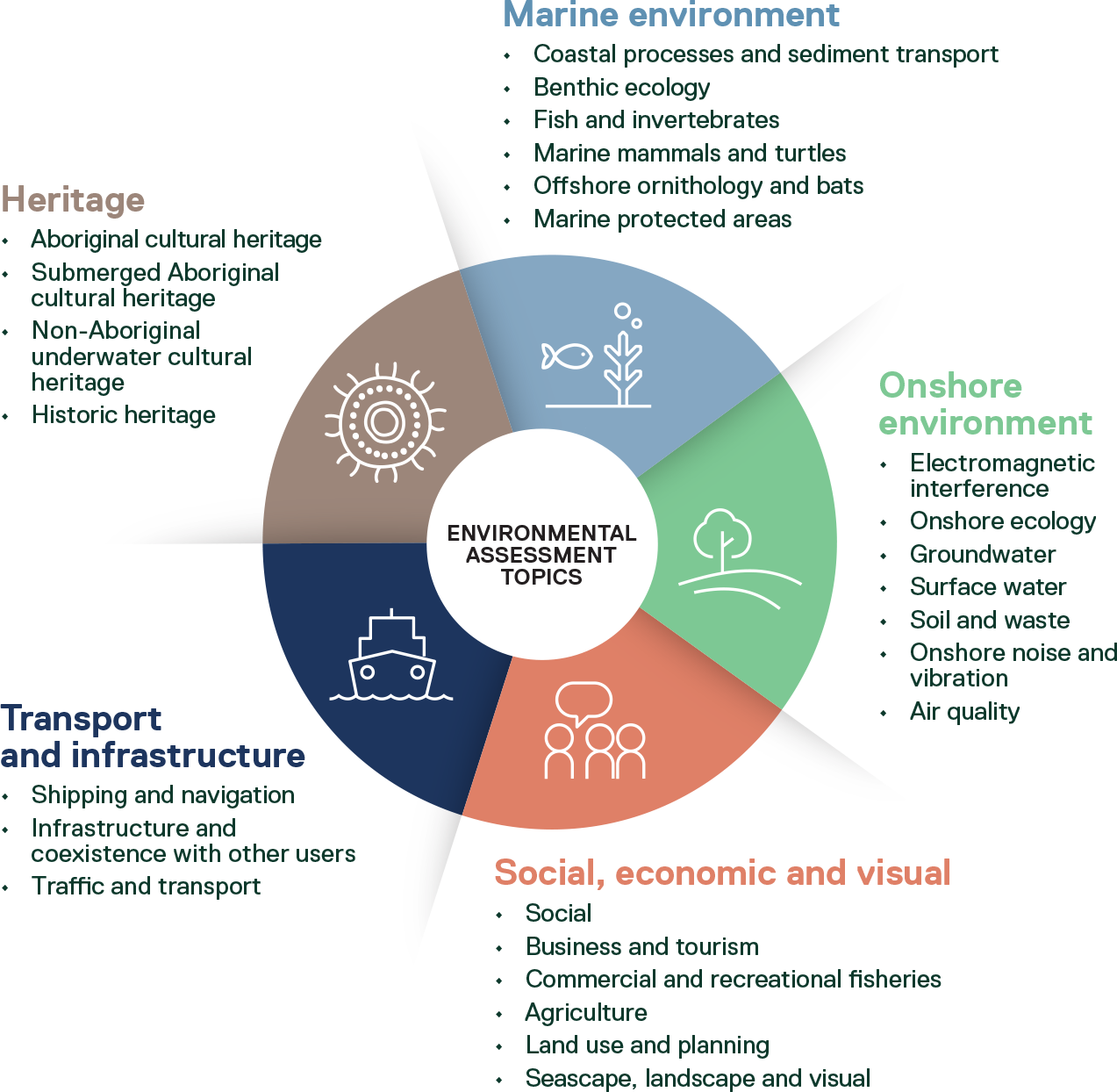
An environmental impact assessment studies how a project could affect the environment and local communities.
It includes detailed studies of potential environmental, social, economic and planning effects that could arise during a project’s construction, operation and decommissioning, and proposes measures to ensure the project is delivered with minimal impact.
Specialists carry out these studies over several years. Their findings are presented in formal assessment documents that are reviewed by the public and government before approval decisions are made.
Star of the South’s assessments have been informed by years of scientific environmental surveys, consultation and 26 technical studies.
They will provide information about:
- The project and why it’s proposed
- How it will be constructed, operated and decommissioned
- The environmental studies we’ve completed
- Potential impacts and how they’ll be addressed.
Commonwealth Environmental Impact Statement (EIS)
Star of the South is being assessed through an EIS process managed by the Australian Department of Climate Change, Energy, the Environment and Water (DCCEEW).
The EIS examines:
- The entire project
- Activities across all phases – construction, operation and decommissioning
- Potential environmental impacts on matters protected by the Environment Protection and Biodiversity Conservation Act (EPBC Act).
The EPBC Act is Australia’s main environmental legislation for protecting and managing nationally and internationally important plants, animals, habitats and places.
Key steps in the process are:
We referred Star of the South under the EPBC Act in May 2020.
In June 2020, a delegate of the Australian Minister for the Environment determined that the project is a controlled action and requires assessment and approval under the EPBC Act. It was determined that the project will be assessed by an EIS (EPBC number: 2020/8650).
Assessment guidelines set out the matters to be investigated and documented in the EIS.
Draft assessment guidelines were prepared by the DCCEEW and released for public comment in July 2021. After considering submissions on the draft EIS assessment guidelines, the Australian Minister for the Environment approved final assessment guidelines in 2021.
To prepare the EIS, we undertook:
- Environmental surveys and research
- Community and stakeholder consultation
- 26 technical studies.
We submitted a draft EIS to the DCCEEW in December 2025 and it is currently being reviewed for adequacy, prior to being released for public review.
The next step is for the draft EIS to be published for public review.
During this public review period, anyone can review the EIS and make a submission for consideration by Star of the South and the Australian Minister for the Environment.
We’ll review all submissions, respond to issues raised, and submit a final EIS to the Australian Minister for the Environment.
After considering the final EIS, public submissions, and other relevant information, the Australian Minister for the Environment decides if the project is approved, approved with conditions, or not approved under the EPBC Act.
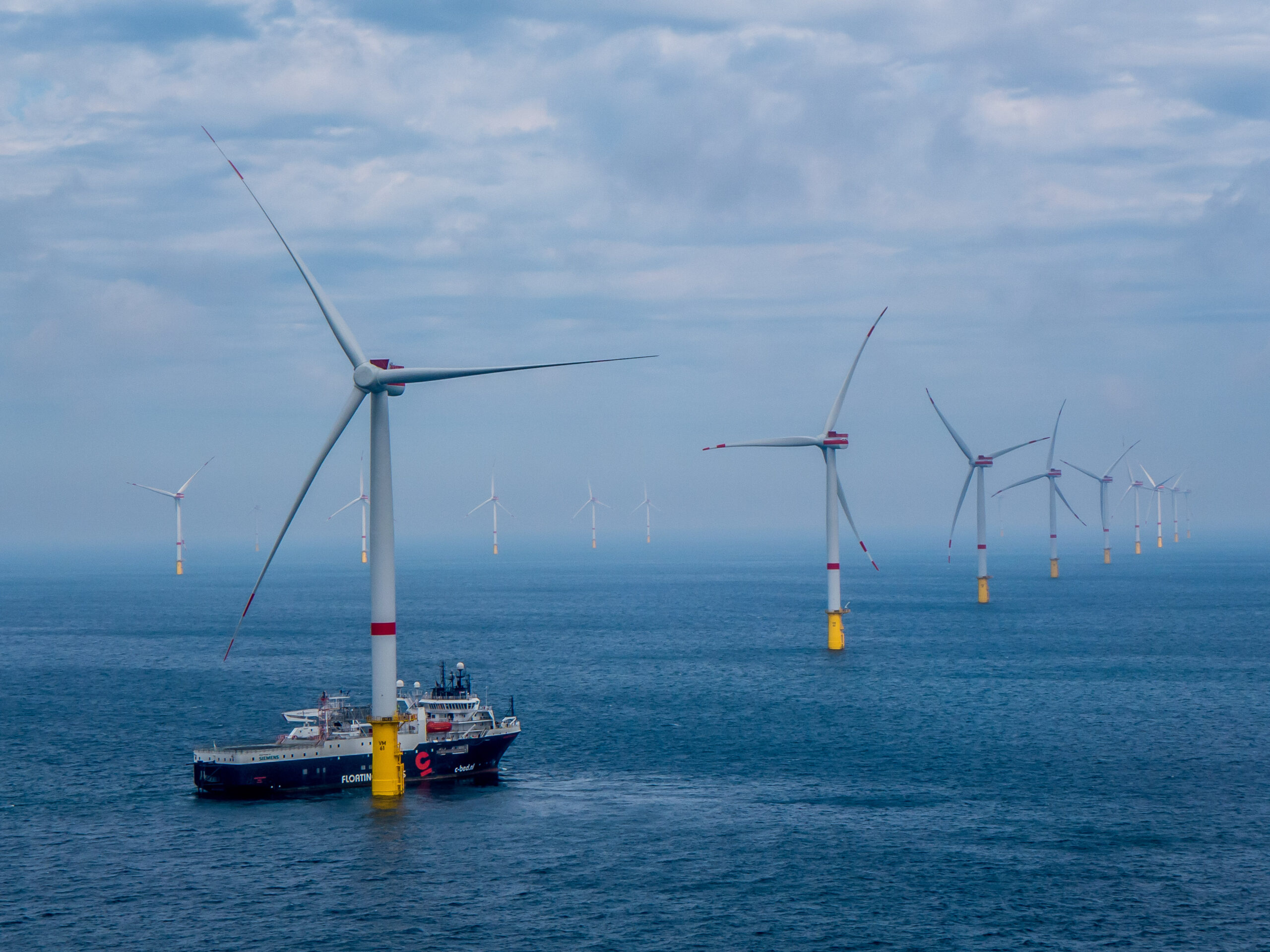
Victorian Environment Effects Statement (EES)
Works in Victoria for Star of the South’s transmission system are also being assessed through an EES process, managed by the Victorian Department of Transport and Planning (DTP).
The EES examines:
- Underground transmission cables on land and in Victorian coastal waters (~5.5 km from shore)
- Victorian works across all phases – construction, operation and decommissioning
- Potential environmental effects from project works in Victoria.
Key steps in the process are:
We referred Star of the South under the EE Act in May 2020.
In May 2020, the Victorian Minister for Planning required Star of the South to prepare an EES under to assess the potential environmental effects of project components and works in Victoria.
Scoping requirements set out the matters to be investigated and documented in the EES.
Draft scoping requirements were prepared by DTP and public comment invited in July 2021. After considering public submissions on the draft scoping requirements, the Minister approved final scoping requirements in 2021.
To prepare the EES, we undertook:
- Environmental surveys and research
- Community and stakeholder consultation
- 26 technical studies.
We submitted the EES to DTP in December 2025 and it is currently being reviewed for adequacy, prior to being released for public review.
The next step is for the EES to be published for public review.
During the public review period, anyone can review the EES and make a submission.
The Minister may appoint an Inquiry to evaluate the effects of the project.
After considering the EES, public submissions, and the Inquiry report, the Minister makes an assessment of the project’s environmental effects. This assessment must be considered by decision makers responsible for Victorian approvals and consents.
Visit the Department of Transport and Planning website for more detail about the EES process.
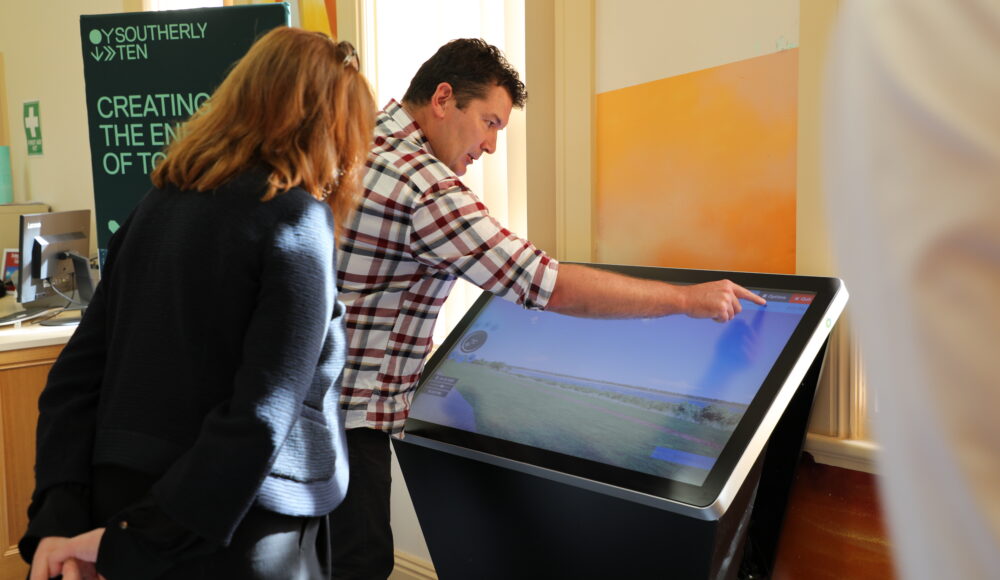
Community Consultation
Consultation plays an important role in the environmental assessment process.
We’ve prepared a consultation plan which outlines opportunities and approaches for community engagement.
Discover more
Site studies
Community